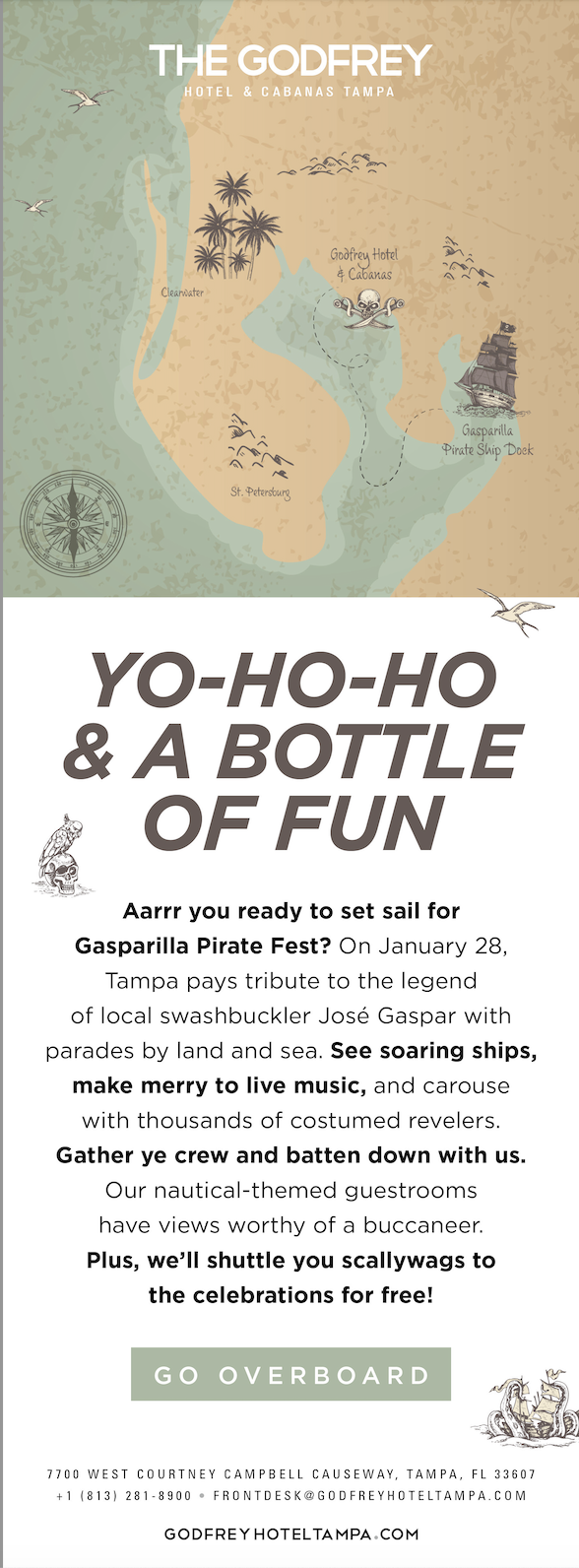
I have spent the last two and a half years penning love letters to boutique hotels in the form of eblasts and emails. Among the properties I’ve been lucky enough to describe are The New Yorker, Ink 48, Stoweflake Mountain Resort & Spa, The Chambers Hotel Minneapolis, and The Godfrey Hotel & Cabanas Tampa. For each hotel, I did a deep dive into their locales, neighborhoods and lore. (Check out the example below.)
The New Yorker Hotel
The New Yorker Hotel is unforgettable–and not just because it’s across the street from Madison Square Garden. The “Grand Old Lady” has welcomed her share of celebrity guests over the decades and boasts its own power plant plus a 24-hour diner on the premises.
Here are examples of eblasts I’ve written for The New Yorker:
The New Yorker’s glorious past is a content creator’s dream.
• A 19-year-old Ava Gardner and 21-year-old Mickey Rooney honeymooned here in 1942. It was the first marriage for the stunning starlet, who went on to marry bandleader Artie Shaw and crooner Frank Sinatra. Rooney, already a box office star, married seven more times.
• Inventor Nikola Tesla spent the last decade of his life in Suites 3327 and 3328 before his death on January 7, 1943.
• Muhammad Ali recuperated in Suite 2549 after losing the fight of the century to Joe Frazier in 1973.
• It’s also where Hilary Clinton gave her concession speech after her failed presidential bid in 2016.
• During the pandemic in 2020, hundreds of nurses, doctors, and frontline health care workers were housed at the hotel, and a ballroom pressed into service as a hand-washing and shoe-sanitizing station.
Staying at The New Yorker leaves you steps from Penn Station, Amtrak, and Macy’s and just blocks from the Empire State Building and Hudson Yards. That’s a definite home court advantage, whether you’re a student staying there for the semester, a tourist visiting Manhattan, a businessman in town for a meeting or convention, or a fan who wants to catch a game or concert at Madison Square Garden.
Looking for Game of Thrones baby names that work outside of Westeros? Read through The Bump list and give baby a name fit for the Iron Throne!
Here’s our guide to the best Game of Thrones baby names. The wildly popular HBO series based on George R. R. Martin’s A Song of Fire and Ice books has proven to be powerful inspiration for parents searching for the perfect baby name. If the 1,890 baby girls named Arya in 2016 are any indication, you will be hearing these Game of Thrones girl’s names and boy’s names in playgrounds and classrooms for years to come. Martin loves to give traditional names a twist, or add the flourish of an unexpected Y for his characters. Whether you’re looking for an unusual name coined in the realm of fantasy, or one that’s rooted in the familiar, you might want to start here, in the Seven Kingdoms.
ARYA
Place of Origin: Winterfell
We think the meaning of Arya should be “brave girl,” though there are as many ways to spell Arya as there are visages in the Hall of Faces. From Ariyah to Aria, the name can mean “noble” in Sanskrit, “lioness” in Hebrew, or the operatic “air” in Italian. The feisty Arya Stark is the tomboyish second daughter of Ned and Catelyn Stark. She finds court life stifling, and is more at home with a sword than a needle. While others aspire to be a lady, she longs to train, and pick up ace combat and survival skills. These come in handy for her life as an avenger and assassin on the road.
KHALEESI
Place of Origin: The Dothraki Sea
In 2016, 370 baby girls were given the Game of Thrones name, Khaleesi. That’s more than double the number of girls who received the name in 2012. In Dothraki, Khaleesi means “queen.” It is the title and name given to Daenerys Stormborn when she marries Khal Drogo, the leader of a wild tribe of warriors on horseback. As queen, Khaleesi wields respect and power and fights to be recognized as a leader or khal in her own right, freeing slaves in the lands she conquers. But remember, Dothraki is a fictional language created by George R. R. Martin.
DAENERYS
Place of Origin: Dragonstone
Sure, the spelling may be a bit off-putting—how do you pronounce all those vowels? Still Old Valyrian names can be thrillingly otherworldly. Daenerys Targaryen is known by many names: Khaleesi, Mhysa, Mother of Dragons, and Dany. As an exiled royal, we see her transform from chattel (given as a bride in exchange for soldiers) into a liberator who declares, “I will take what is mine in fire and blood” on her way to the throne. George R. R. Martin sure knows his way around the letters Y, A, E. He uses them to great effect in the names of her royal relatives Rhaegar, Aemon, Naerys, and Viserys.
EDDARD
Place of Origin: Winterfell
Ned is a pet form of Edward—or in this case, the squarish Eddard. By swapping out the W in Edward for a second D, Martin introduces us to the character of Eddard “Ned” Stark. As the King of the North, Ned Stark is the moral compass of Game of Thrones, and a dedicated and conscientious father of five. The mantle of duty weighs heavily on Ned. He can be reluctant about using his full power, but still must answer the call when he is summoned to be the Hand of the King. Another variation of Edward is Edmure Tully, Catelyn Stark’s brother and the Lord of Riverrun.
CATELYN
Place of Origin: Riverrun
Lady Catelyn Stark is the wife of Ned Stark, the King of the North and the Hand of the King. The mother of Robb, Sansa, Arya, Bran, and Rickon is fiercely protective of her brood and suspicious of the court at King’s Landing. She fears it is not a safe place for her family. The name Catelyn is a variation of Caitlin, the Irish form of Catherine, meaning “pure.” There are a multitude of ways to spell this name, from Caitlin to Kaitlyn to Katelin, and it enjoyed tremendous popularity in the 1980s and 1990s. The GOT version is pronounced “CAT-lin.”
SANSA
Place of Origin: Winterfell
The meaning of the name Sansa in Sanskrit is “praise, charm.” At the start of Game of Thrones, Sansa dreams of being a lady at court. She tries to be charming and pleasing to the eye, focusing on her needlepoint. Then Sansa experiences enough loss, betrayal, and intrigue to make Eleanor of Aquitaine blush. Her diplomatic skills and military strategy are hard won—and put to the test. From her betrothal to a mad boy-king to surviving various marriages, the once obedient Sansa demonstrates a steely reserve in battle that shows she’s got what it takes to win—or rule, if need be.
ROBB/ ROBERT
Place of Origin: Winterfell
Robb is a diminutive of Robert, now seen by parents as a proper given name in its own right, like Thom or Will. On Game of Thrones, the name has been used for two kings with tragic fates but good intentions: Robb Stark, the young King of the North, and Robert Baratheon, the older king undone by his Queen Cersei. Whether you embrace the idealism of the eldest Stark boy, Robb, or the hunt-happy Robert, Robert is a once royal name turned familiar that means “bright fame.” According to Social Security data, Robert was a top 5 boy’s name from 1900 to 1971. Nearly 6,000 boys were given this name in 2016.
BRANDON
Place of Origin: Winterfell
The second son of Ned Stark and Catelyn Stark plays a major role in both the HBO series and the books. Bran Stark is a warg, a person who can enter the consciousness of an animal and control it, and a seer, who has visions of the future and the past. On its own, the name Bran belongs to a Celtic god. It is also an ancient Welsh name meaning “raven.” His first name, Brandon, is a tribute to his uncle as well as an ancient builder and Stark king. It is an Old English surname and place name related to the words “broom or gorse” and “hill.”
RICKON
Place of origin: Winterfell
The youngest Stark child is quite young and full of wide-eyed wonder when Game of Thrones begins. Rickon’s name is a play on Richard, or Rick, with a fashionable –on ending. He escapes Winterfell with his brother, Bran, when it is captured by Theon Greyjoy. Rickon spends much of his life in hiding, escaping detection with the help of a few loyal servants. The name Richard is formed by the element ric which represents “power or rule” and belongs to three British kings, including Richard I, also known as Richard the Lionhearted.
CERSEI
Place of Origin: Casterly Rock
Cersei is the willful, passionate, and conniving Queen of Westeros. The name’s sibilant C and S make it elegant while the “er” sound fills it with decisive, almost wicked power. Cersei will do whatever it takes to protect her children and her family’s claim to the throne—a true lioness. Her best known line? “When you play the game of thrones, you win or you die.” The name is pronounced identically to “Circe,” a beguiling sorceress and daughter of the sun god from Greek mythology, who turned men that lusted after her into domesticated animals like swine.
TYRION
Place of Origin: Casterly Rock
The younger brother of Cersei and Jaime may be small in stature, but his wit and intelligence put him front and center as a power player in Kings Landing, and indispensable Hand to the King. Born a dwarf, whose entrance into the world killed his mother, he is despised by his stern father, Tywin Lannister. Tyrion’s oversized appetites for drink and women are legendary, but his shrewdness and quick thinking save King’s Landing during the Battle of Blackwater. Tyrion possesses the popular element Ty, found in boy’s names like Tyler and Tyrone.
JAIME
Place of Origin: Casterly Rock
The Spanish form of James, Jaime means “twin.” On Game of Thrones, Jaime Lannister is the dashing and handsome twin brother of Queen Cersei. Jaime is the very picture of what people expect a knight to be. Once a golden knight in the Kingsguard, there are now many cracks in his armor. His tarnished reputation brings him shame as the unofficial title of “Kingslayer,” for his betrayal and assassination of the mad king, Aeris Targaryen. He also is rumored to be the secret lover of his twin sister, the queen, and the true father of her three children.
JOFFREY
As the oldest child of Queen Cersei and heir to the throne, Joffrey is a sadistic young king, who is capable of great cruelty. His very blondeness raises the question of his paternity since King Robert had dark hair. His volatility is attributed to the incestuous union of his real parents, Queen Cersei and her twin brother, Sir Jaime Lannister. Joffrey is a variation of Geoffrey, a German name introduced to England as a result of the Norman Conquest that was popular during the Middle Ages.
MYRCELLA
Place of Origin: Kings Landing
In Princess Myrcella, we have the girl’s name Marcella spelled with a Y. Despite the reference to the Roman god of war, Mars, in her name, Myrcella is sweet and good-natured. The daughter of Queen Cersei is born in the seat of royal power, and is expected to form a political alliance through marriage when she is of age. Tyrion sends Myrcella to Dorne to form an alliance with House Martell by marrying Prince Trystane Martell. Her departure from court is a source of deep anger and sadness for her mother.
TOMMEN
Place of Origin: King’s Landing
Cersei Lannister’s second son, Tommen Baratheon, is sweet, gentle and obliging. The boy king, Tommen is nothing like his older brother, the cruel Joffrey. It’s the double M that helps to make Tommen so appealing. By pairing the name Tom with the trendy–en suffix, so popular in boy’s names from Aiden to Jayden, we have here a malleable young king.
MELISANDRE
Place of Origin: Essos
Combine the names Melissa and Sandra, and you get some venomous honey. With Melissa meaning “honey bee” and Sandra, a diminutive of Alessandra, you see “a defender of mankind” who is alluring and deadly. More likely, though, Melisandre is a variation of Melisande—Millicent is the French version—meaning “animal strength.” On Game of Thrones, the Red Witch inspires fear, dread and awe. She is sensual and capable of brute force on her mission to serve the God of Light and save mankind. Priorities, people.
MARGAERY
Place of Origin: Highgarden
Margery is a medieval pet form of Margaret, similar to Marjorie, which means “pearl.” By adding an extra ancestral A, we arrive at the formidable Margaery Tyrell, scion of an ambitious and political family. The girl who famously said, “I want to be the queen” when asked if she wanted to be a queen, sees marriage as a means to power. (That may very well be why she marries three times.) A loving sister to Sir Loras and a beloved granddaughter of Lady Olenna, she takes a modern approach to the monarchy, though her queen-at-all-costs attitude ends up costing her dearly.
LORAS
Place of Origin: Highgarden
Lord Loras Tyrell is the heir to Highgarden, and a scion of House Tyrell. A courtly champion who delights in winning countless tourneys, Loras is called the Knight of Flowers. Loras is said to be even more beautiful than his sister, Margaery. Adored by women and young girls everywhere, he only has eyes for King Renly Baratheon. A sensitive soul who finds himself mired by his family’s courtly intrigue and marriage schemes. The name Loras rhymes with the similar flower name Cloris. It is an androgynous and elegant boy’s name. His name also evokes Laurence, which means “crowned in laurel.” Crowns of laurels were often given to victors of sports and athletic games.
OLENNA
Place of Origin: Highgarden
The matriarch of House Tyrell is Olenna Redwyne, who is called the Queen of Thorns. Where her granddaughter Margaery can diplomatically go with the flow and blend in with the ruling political climate, Olenna is prickly, astute, and delightfully acerbic. She is a protective and watchful grandmother. Her name evokes the oleander shrub or tree. Prized for its beautiful blooms, oleander is also toxic.
MACE
Place of Origin: Highgarden
A word name that can mean both a medieval club weapon or a spice procured from dried nutmeg. Mace Tyrell is the blustery patriarch of the ambitious House Tyrell. The TV series portrays him as a good-natured idiot that finds military success because he surrounds himself with more powerful and intelligent people. In the books, he is pompous but quite qualified. Both versions have him dote on his children. It’s funny how a single M can turn an ace into something entirely different though still useful! Simple yet oddly effective.
OBERYN
Place of Origin: Dorne
This time, George R. R. Martin replaces the second O of Oberon with a Y. Oberyn Martell is a passionate and sensitive prince with a taste for world travels. Educated at the Citadel, where he learned about poisons, he is known as the Red Viper of Dorne. Part-diplomat, part heroic avenger, his easy manner belies an intense desire for revenge on behalf of his murdered sister, Elia Martell. Regal and proud, Oberyn has a festive yet serious quality, much like King Oberon in Shakespeare’s A Midsummer Night’s Dream. He is the father of eight daughters born out of wedlock, called the Sandsnakes.
ELLARIA
Place of Origin: Dorne
The simple addition of the feminine ending –ria to the traditional name Ella makes Ellaria sound even more elegant and sophisticated. Ellaria Sand is the paramour of Prince Oberyn Martell. She delights in life’s sensual pleasures and takes pride in her natural-born status. Though she is not of noble birth, she is passionate, tender, and righteous. Devoted to her prince, she begs him, “Don’t leave me alone in this world.” In the show, she develops a dark and twisted side, but in the books she abhors all bloodshed.
NYMERIA
Place of origin: Rhoynar, an ancient Eastern Kingdom destroyed by dragons
The original Nymeria in Westeros lore was a legendary queen and battle tactician who commanded a fleet of 10,000 ships and conquered Dorne. Despite sounding like the docile “Miriam,” its many vowels and few consonants make it sound like a war cry. The name appears twice in the Game of Thrones timeline: once for Arya Stark’s direwolf, a fierce and loyal fighter, and a second time for Nymeria Sand, (nickname Nym) one of Oberyn Martell’s daughters and a cunning assassin.
LYSA
Place of Origin: Riverrun
The name Lysa may look like Lisa, but it’s actually pronounced Liza, a variation of Elizabeth. Lysa Arryn is the younger sister of Caitlyn Stark and the Lady of the Vale. Paranoid and bitter about being married off to a much older man, Jon Arryn, Lysa shrilly makes her presence known and excessively dotes on her son, the weak and peculiar boy, Robin Arryn. She calls him “Sweetrobin.” “Isn’t he beautiful?” she says wonderingly to Catelyn. “And strong too…Look at him, the Lord of all the Vale.”
RENLY
Place of Origin: The Stormlands
Whimsical and musical, Renly’s name reminds us of the wren, a songbird. This is a boy’s name that exudes charm. The –ly suffix adds a hint of playfulness, and is rarely seen in male names. King Renly Baratheon’s charisma and handsomeness make him a viable contender in the War of the Five Kings—despite being the youngest of the three Baratheon brothers. Renly’s love of flowers, peaches, and young men make him a progressive monarch in the harsh world of Westeros. His role as an outsider and an outlier give him a unique perspective.
YGRITTE
Place of Origin: North of the Wall
Ygritte sounds phonetically identical to the egret, a snowy white bird. Game of Thrones’ Ygritte is a wilding spearwife who is both brash and battle-ready. Her lucky red hair is seen as a sign that she is kissed by fire. Indomitable with a bow and arrow, Ygritte takes Jon Snow prisoner, but the two eventually fall in love. She teases him often by saying, “You know nothing, Jon Snow.” In a world where noble women are shielded from combat, Ygritte revels in her status as a free woman with grit and courage. The Y at the front of her name gives it a more tribal and wind tossed look.
BRIENNE
Place of Origin: Island of Tarth (The Stormlands)
Brianna is seen as a female counterpart to the name Brian. Replace the feminine A’s with gender neutral E’s and you have Brienne. Brienne of Tarth is an unusually tall woman warrior who seeks to fight as a female knight. Honorable, almost to a fault, she believes in chivalry and loyalty above all else. As she says, “All my life, men like you’ve sneered at me, and all my life, I’ve been knocking men like you into the dust.” Despite her advanced size and strength, Brienne is a gentle giant. She has a tender heart and secretly hopes to be wooed by a handsome lord.
SHAE
Place of Origin: Essos (Show), Westeros (Book)
In the real world, shea is a nourishing and healing African plant that can be used to produce a luscious, moisturizing butter. The character Shae is a doe-eyed camp follower and sex worker who wins the affections of Tyrion Lannister. Whether or not she truly loves Tyrion beyond the gold he offers her is a difference between the show and the book. In HBO’s Game of Thrones, Shae is feisty and affectionate with little regard for safety and no understanding of etiquette. She breaks both conventional norms and hearts. But in the book, she is a gold digger.
ASHA/YARA
Place of Origin: Pike
The Ironborn older sister of Theon Greyjoy is known as Asha in the books, but was renamed Yara for the HBO series in order to avoid confusion with another character. Both names rely heavily on the letter A. Here is a young woman with enough courage and mettle to rule as king in the grim and harsh kingdom by the sea. An experienced sailor and outstanding warrior, Yara and her people resemble Vikings for their attacks on other islands and ships.
MYRCELLA
Place of Origin: Kings Landing
In Princess Myrcella, we have the girl’s name Marcella spelled with a Y. Despite the reference to the Roman god of war (Mars) in her name, Myrcella is quite the opposite: sweet and good-natured. The daughter of Queen Cersei is born in the seat of royal power, and is expected to form a political alliance through marriage when she is of age. Tyrion sends Myrcella to Dorne to form an alliance with House Martell by marrying Prince Trystane Martell. Her departure from court is a source of deep anger and sadness for her mother.
TOMMEN
Place of Origin: King’s Landing
Cersei Lannister’s second son, Tommen Baratheon, is sweet, gentle and obliging. Next in line to the throne, the beloved boy king is nothing like his older brother, the cruel Joffrey. It’s the double M that helps to make Tommen sound so appealing. By pairing the name Tom with the trendy –en suffix, so popular in boy’s names from Aiden to Jayden, we get a malleable young king—innocent, sheltered and impressionable.
GENDRY
Place of origin: Fleabottom in King’s Landing
One of King Robert Baratheon’s many “bastards,” Gendry grows up in Fleabottom, where the lowest rung of society resides. He learns a trade and becomes a master blacksmith. He is said to resemble a young King Robert Baratheon. Later, he becomes a target and survives an assassination attempt by the Lannisters, who see all of King Robert’s offspring as a threat to Joffrey’s claim to the throne. Gendry is also pursued by the Red Witch for his royal blood. We predict this name will zoom up the popularity charts for its genteel sound and its uplifting –ee ending.
Naturally, the morning meetings unnerved me, as we were expected to rattle off dozens of topics in a matter of minutes, and then race to write the ones that had been approved. I loved how random the subjects were. I’d get ideas from recent studies (“They’re Leaving Las Vegas: Fewer I Do’s in the Last Decade“) or friends’ dilemmas (“If You Can’t Afford Good Daycare, Here’s Why“). Sometimes I sat at my desk and pondered the deep challenges that could be answered in 500 words or less, such as “The Hole Truth and Nothing But the Truth: Celebrating the Doughnut Hole.”
Then there were the listicles, articles that included a long daisy chain of trivia and numbers. These covered sticky subjects whose appeal melted overnight, from watermelons to Converse sneakers.
Today the articles stand as a time capsule, a testament to my willingness to try something new and keep dreaming up new topics. I covered social security tips for the retired and advice for newly minted college grads (“Looking for a Job? 7 Deadly Cover Letter Mistakes).”
That fall I moved on to a new job, writing emails for the 650,000 subscribers of American Express Travel.
The writing pace at the new office was more leisurely, almost genteel. I found myself missing the delight of finding an arcane nugget or detail that could be spun into a fetching story by 3 pm. The goal at the Fiscal Times had been to deliver three to five stories a day. Now the project managers at the agency were giving me three days to write a single email and asking me if that was enough time.
I was entering a new phase: customer relationship management. Along with the emails, there were landing pages, banner ads, A/B testing and subject lines to write. “Happy stays are here again!” I thought to myself, indeed.
In 2021, anti-Asian violence and harassment was at an all-time high. My best friend’s sister asked me to write down safety guidelines that could be used by parents to protect their children and families. As word got out, these guidelines were shared with hundreds of families at P.S. 1 in Chinatown, Facebook groups for adoptive moms of Asian children, parent and affinity groups at Google and The College Board, and media outlets. My son and I made a number of media appearances that spring, coining phrases like “Yell it back to hell!” on CUNY TV’s Asian American Life and Felicia Lin’s podcast, Talking Taiwan. Otter even wrote a very special episode of Stephen Colbert’s Tooning Out the News.
The goal of the guidelines is to get parents and kids to think strategically about their physical safety, and to make a safety plan “just in case.” I first developed these tactics as a teenager and young woman in New York City, when I would get harassed and threatened on my way to school or on my way home.
Note: Parents, please adapt the guidelines as you see fit, according to the age of your child and what you think they can handle.
1. Tell your children you love them, and that the violence or harassment is NOT their fault.
2. Tell your child to always tell you if anyone threatens to hurt them or harm them. Talk with them about what they can do to protect themselves and keep themselves safe. They might have to create a distraction, so they can run and get to safety.
3. Do not pick up the hate that other people throw down. It’s the racist who should be ashamed–and not your child. Your child did nothing wrong to cause this.
4. The most important thing is to stay alert. Be aware of your surroundings–especially WHO is near you–and do not get distracted by your cell phone, listening to music, or videogames. Many hate speech incidents and hate crimes have happened on corners, where people are waiting to cross the street. Attackers know you have to wait at the corner before crossing the street. Many people look at their phones while waiting on the corner, but if you’re looking down at your cell phone, you may not notice anyone approaching you or any vehicles or bicycles coming towards you.
You need to be aware of who is around you at all times–in front of you, behind you, and to the sides.
5. Remember that 3 out of 4 hate crimes happen to females. If you can, travel and walk in groups or with a buddy. Some people have gotten away by pretending to wave to an imaginary policeman or neighbor behind their attacker or off in the distance: “Oh, hello, officer!” or “Hi, Mr. Wilson!” When your attacker looks in the direction of where you’re looking and pointing, you run away.
6. Do anything you can to throw off your attacker. Be unpredictable. Run away, yell, act crazy, talk to yourself. Racists and attackers are not expecting you to fight back. They are expecting you to be polite or submissive. This is especially true of the girls. Tell your kids that they do not have to be polite if they feel scared, unsafe, or uncomfortable. They can just start running away, or create a distraction to put more distance between them and an attacker.
The element of surprise has helped me throw off any would-be attackers and escape them. Sometimes as someone gets closer and closer, I will suddenly break out into song, or start muttering to myself loudly about what an awful day I’m having.
7. Yell it back to hell. Shout LOUDLY, at the top of your lungs. I have found that shouting the words “RACIST!” or “PERVERT!” to be very effective in calling attention to a hate crime or hate speech incident. If you have a quiet or shy child, they can pretend they don’t speak any English, shake their heads no, and run away. This way your child does not have to have any interaction with the assailant at all, or explain themselves, or be polite. Some people will stop talking if they think you don’t understand a word they said.
8. Observe/Memorize any identifying features of your attacker. Try to remember what the person looked like: their height, weight, their clothing and shoes, tattoos or scars–anything that could help identify them. This is a skill. Practice it as you’re walking down the street or around the neighborhood.
If you can record your attacker with your cell phone, then do so safely from a distance. Sometimes taking out your cell phone can anger/antagonize attackers even more. Cell phones can be knocked out of kids’ hands. I prefer that kids use their cell phones to call for help: 911, their parents, their friends, the police–and not take their eyes off the attacker.
9. Beware of the attackers who do not wear masks. They might try to spit on you. Many people in New York City have been spit on, and were not expecting it. Keep a clear distance from any strangers, and don’t let them get close enough to spit on you.
10. Get your child a self-defense siren or personal alarm from Amazon to carry in their pocket, or someplace they can reach it easily. If someone threatens them, they can activate the alarm and it will let out a piercing siren or a high-pitched wailing sound. When the loudness of the alarm startles the attacker, tell your child to run away.
11. Long-handled umbrellas can keep attackers at a distance of a few feet, or protect you from being spit on or having any fluids thrown on you. They can be used in self-defense, in case you can’t run away. Older people have used canes or brooms, or picked up a stick to protect themselves. Use what you have on hand.
12. If someone grabs you from behind: Head butt them by using the back of your head, which is very hard, to hit the attacker’s nose, face, or mouth. Or you can go limp, using all of your body weight and the force of gravity to become heavy and slide downwards and out of the lock. They won’t be expecting that either.
13. Sometimes kids may be reluctant to talk. You might have to have more than one conversation with them. Try to connect with them during low-key moments when you’re in the car, or walking them to school. They might have questions while watching the news.
14. Stay safe and look out for each other. If you see someone in trouble, you can:
a) Call 911 for help, or get help.
b) Provide a distraction by greeting the target and pretending to know them. You also can yell, “The cops are coming!” If you feel unsafe, check in with the victim after the harassment and offer them support and assistance.
c) Use your phone to record the incident on video or take a photo of the attacker.
d) Offer to walk with the victim to the police station, or serve as a witness for the police report.
15. Remember different tactics will work in different situations. Do what you can to protect yourself and your child. You can run into a store. You can walk in the middle of the street, where people and cars are more likely to see you, if there’s not too much traffic. You can call 911 on the phone as you’re running away.
16. Follow your gut instincts. If you feel uneasy or uncomfortable around someone for any reason, don’t hesitate to do what’s safe for you and your child first.
When we first started dating, I was fresh out of college. My friend Tish explained my prospects to me this way: “Playwriting’s the bad boy. He’s dark and edgy. Rides a motorcycle. Dashing and dramatic, so terribly exciting. Journalism is the guy you can bring home to meet your parents. He’s dependable. He remembers when it’s your birthday, and and brings you flowers. He’s respectable.”
Well, not any more. Now Journalism is like the on-and-mostly-off-again boyfriend you can’t quite kick off your couch, who comes over to eat the leftovers in your fridge, and watches TV for hours (because he doesn’t have one any more). He’s cute and scrappy, but unreliable. He shows up very late, if at all. And when he does manage to walk through the door, he expects you to ooh and aahh over him in excitement. And maybe give him a foot massage for walking all the way over here. Too bad he spends most of his free time chatting up women he’s never met, who promise to fulfill his every whim for $5 an article. The last time he showed up, you caught him texting strangers in other countries, and negotiating for content in bulk.
In the past two years, I’ve been flirting and dating, and looking at my options. Copywriting has been a promising and strong contender. I could actually start a life with him. He’s cool and creative, so connected, and he can pay more than his fair share of the bills. Digital Content is really writing for the internet. He’s a humbler and quieter fellow, who likes to work behind the scenes. He’s content to be Contently. He can have a byline, or not. And he likes talking in different, funny voices, pretending to be other people.
Nobody says they’re writers any more. That’s like calling your date “a gentleman caller.”
I had such high hopes for you, Journalism. When we first met, you were full of intelligence and integrity, truth and mirth. Nobody could make me laugh harder, or tear up more. You had standards, along with copy editors and researchers. You hardly ever had to apologize, or print a retraction. Even now, you can make me swoon so that I feel tempted to take you up on that booty call. But “giving” me a byline and getting more exposure for my personal brand–these are not substitutes for a real relationship, or paycheck. Get your act together. Show up. Play fair. Don’t tell me to go take a walk, and then get upset when I date other people.
And maybe, just maybe, we might have a future together one day. A real one.
Outside Bobst Library, WiFi is precious. Inside, students attend a Sandy soiree. Photo by Sandra Borri.
“On the Upper East Side, it’s like nothing happened,” Andrea tells me. Post-Sandy, it’s a different story downtown. Electricity is power. So is WiFi. The power lines are the new bread lines. At NYU, across the street from Washington Square Park, folks gather to charge their iPhones, smart phones, cell phones, laptops, Google tablets, and iPads. Simple cell phones charge quickly. Smartphones can take up to four hours. This is my new day job, charging my Samsung Galaxy so that it has enough power to last the night.
Every day we camp out around the extension cords and electrical outlets at Bobst Library, to share news and NYU guest passwords.
When I first walk up to NYU, it’s a Tuesday afternoon. I am looking for my son, who is a freshman. Cell phone service is down. There are no ingoing or outgoing calls. Texts turn up hours after being sent. Standing in the lobby of my son’s dorm, I ask to see him.
The RA on duty looks overwhelmed. It feels surreal when he tells me that I can’t go up to see my son, and he’s can’t send anyone upstairs to tell my son that I am here. He suggests that I can leave a message in my son’s mailbox. I don’t even know if my kid knows he has a mailbox. I scribble a note that I will wait outside, but the gates to Washington Square Park are locked. Rain is falling steadily. I notice people milling in the lobby at Bobst Library. I text my son that I will wait for him there, and hope he gets it.
Once inside, I notice a man trying to plug his laptop into a broken socket. Then I spy a college student charging his iPhone at an outdoor electrical outlet. Within half an hour, there’s a crowd around us. Jean, a parks worker, brings his own extension cord. It’s a generous and popular gesture. The next day, I start carrying an extension cord, too.
Nearly 3 hours later, my son gets my texts and joins me. He’s upset because nobody told him I was downstairs. We’re both thinking the same thing: if lower Manhattan had been plunged into darkness and chaos, that might have been my last opportunity to see my son or move him to safety.
When Hurricane Sandy first hit, I had enough supplies to weather three days but not seven. By Tuesday, I was like the Little Match Girl, trying to figure out how to make three matches last a few more nights. By Wednesday, I replenish my one fat candle–a waxy wonder that smells like a banana split and burns for long hours each night. A stationery store gives me a box of matches. I pick up two cheap lighters with a picture of the Twin Towers on the side from a souvenir store. They work. On Mott Street, north of Canal, I find apples, carrots, broccoli, and bok choy. I am one of the lucky ones. I have a gas stove and running water. I also live on a low floor. There are people who have to walk down 16 flights of stairs to walk their dog.
Information is a precious commodity, as are candles and matches. We are an isolated, eclectic lot, bound together by a fundamental need to connect. The prospect of diminishing supplies and the lack of internet, cable, and TV news, force us to go outside and be nice. Screenwriters, therapists, fortunetellers, photojournalists, college students, and tourists all mix and mingle alike.
I make new friends at the electrical hubs every day. It gets cold sitting on the granite outside. We keep ourselves warm by telling jokes and stories and laughing. It’s a considerate crowd. Everyone asks politely, “May I?” before pulling out an adapter or cord or device. There have been no fistfights.
So far I’ve met Howard, a former gift shop owner who now sells expensive purebred puppies in the Village. Then there’s Carmella, whose rock star looks and bawdy sense of humor could give Keith Richards a run for his money. We are joined by Paul, an architect with a very dry wit, and John and Mario, who bring news from South Street Seaport, where Water Street is under water and looters have gleefully scooped up J. Crew, Abercrombie & Fitch, and SuperDry merchandise after Hurricane Sandy graciously blew down the storefront windows. “I could have jumped from the patio and gone for a swim!” exclaims Mario, after patiently waiting on a coffee shop line for two hours to get us all cups of coffee. We share peanut butter sandwiches, and talk about the best way to take a cab to Astoria now that the subways are down. We don’t know when the blackout will end, and wonder if we should stay with friends elsewhere.
When a news reporter asks Carmella what brought her here, she quips, “Well, I was sitting in the park just feeding the squirrels…” to loud guffaws from the rest of us. “Well, obviously, we come for the power,” Carmella explains. “And the WiFi. This is a hot spot. Yeah. And I’m hot!” She tells us about her houseguests, who will be arriving soon to run in the New York City Marathon. Talk circulates about cell phone service (there is sporadic service from Verizon and none from AT&T), the more than 100 houses that burned down in the Rockaways, a grocery store on Bleecker that charges reasonable prices for candles and bread, and Grand Bo-Ky, a Chinatown restaurant that serves hot noodle soups, beef stew, and duck on Grand Street. (The owner hauled in a generator from New Jersey.)
Bike riders, like Diana, a preschool teacher, bring us precious news from north of 25th Street. “There are lights there!” she tells us. And we all know what that means: working ATMs. She tells me about her hand-powered washing machine, WonderWash, and a manual dryer that works like a salad spinner. I listen appreciatively. I will try to get those as soon as my internet service is restored. Now that the bridges are open, we notice more places to get food and supplies, restaurants, small grocery stores, and delis, and we add them to our collective consciousness, till we have a working map of useful places to go.
NYU students, professors, and other ID-bearing personnel can charge up their devices inside the library, but it’s not unusual to find people plugged into outlets in the restrooms and watching a press conference from Bloomberg. I know, because as a non-NYU person, I am allowed to show my identification to security and use the bathroom downstairs.
The first few nights after Sandy, there were so many police vehicles and ambulances that I hardly needed the flashlight or candle. On Halloween, the moonlight looks like snow on the ground. I don’t hear any dogs barking and few cars are on the streets. At home, with my day’s haul of apples, broccoli, carrots, bread, and candles, I arrange four tea lights in the bottom of a stainless steel frying pan. I wonder, “What would Martha Stewart say about this?” and for the moment, I feel grateful. Lucky.
The next day brings more new faces and stories. We are so immersed in charging and downloading and updating and sharing passwords, that we almost don’t notice that dusk has turned to darkness. A sequined performer on stilts beckons waves of students inside to a Hurricane Sandy soiree. Big band orchestra music wafts out of the library.
And so life rushes in and continues after the storm.
I walk home on dark streets, following the lights of hot dog vendors and food carts. Clicking my flashlight on and off, I look like a drunken firefly as I make my way in a city that resembles an abandoned movie set.
On Canal Street, traffic cops attempt to slow down cars by waving signal wands that look like light sabers. Maybe they’d have better luck if they hired ravers to dance with glow sticks. “Aren’t you afraid?” I ask one. “These streets are dangerous even when the traffic lights are working. Has anyone been hit?” “Not yet,” she replies. “That’s why we try to stand off to the side.” I nod knowingly. My son and I have sat with pedestrians who’ve been struck by cars and SUVs, and waited with them until the ambulance arrived. And that’s when it’s been light outside.
There’s a lot to like about Chinese artist Ai Weiwei. The celebrated artist and dissident has made a career out of flipping the bird and saying “Fuck You, Motherland” to China. With every tweet, blog post, sculpture, art installation, video, and book, he becomes a bigger and more beloved cultural and political icon. A playful and outspoken figure, Ai Weiwei has sometimes been hailed as the Andy Warhol of China–a bearded, pot-bellied, mischievously happy Warhol. The artist who helped design the Beijing National Stadium, or Bird’s Nest, for the 2008 Summer Olympics (and then denounced it for its pomp) is as memorable a figure as any Shakespearean character. And never is he so riveting as when he is pulling the tail of his motherland, China.
Alison Klayman’s documentary, Ai Weiwei: Never Sorry, does not disappoint. You watch, fascinated, as Ai collects the names of thousands of schoolchildren, who died during a 2008 Sichuan earthquake because of shoddy “tofu” construction. Later at the Haus der Kunst museum in Munich, he constructs a sculpture of 9,000 backpacks in their memory, in protest of the government cover-up. At the installation of “Sunflower Seeds” at the Tate Modern in London, he pours 100 million hand-painted porcelain sunflower seeds, keeping a reserve of 10,000 seeds, just in case any museum visitor should decide to slip a few seeds into their pockets for souvenirs.
Ai Weiwei takes a special glee in standing up to the tyranny of China and ridiculing its absurdities. Indeed, there are moments the cheeky heroism of his activism outshines his art. When policemen videotape his every move, he shoots back—literally, with his own videographers in tow. Clearly this is a man who knows how to get attention, and grab hold of the public consciousness.
Yes, Ai Weiwei has a hooligan side that’s hugely appealing in its defiance. As he tweets on his Twitter page, “There are no outdoor sports as graceful as throwing stones at a dictatorship.” The film also documents such poignant moments as his family’s history during the Cultural Revolution, the 12 years he spent as an artist in New York City, and his unexpected fatherhood in his 50s.
First-time documentary filmmaker Allison Klayman has struck gold with her documentary, which is at turns humorous, graceful, and sobering. With more than 300 hours of footage shot over two years, Klayman faced the daunting task of shooting this one-man David vs. Goliath drama as it was unfolding. She manages to pull off the near-impossible, delivering an intimate, endearing portrait of a man who lives under the watchful eye of a totalitarian government. At times, Ai seems almost American in his doggedness, as he speaks out against censorship and demands greater transparency.
Tonight IFC Films is hosting an afterparty for Ai Weiwei: Never Sorry at the caviar and vodka bar, Pravda. It’s a shame that the subject of the documentary could not be there himself to hold court at one of the underground tables. (Currently he is not allowed to travel outside the country and his blog has been shut down.) To Ai then, I raise a glass and make a toast in his honor: History is indeed delicious when you serve it up yourself.
Movie poster for Alison Klayman’s documentary, AI WEIWEI: NEVER SORRY.
As I look at the determined faces of the veterans marching in front of me on Memorial Day, I am in awe of their quiet dignity. Solemn and sad-eyed, they are the survivors of battles fought, and comrades lost. Some of them are stoic and steely while others crack jokes, full of mischief. Watching them march on Mott Street, I think of a boy in Chinatown who grew up watching them too. He must have admired their straight lines and precision, the undeniably upright way they held their heads as they stepped smartly down the street. He must have felt intense pride at the sight of these stately servicemen, daydreaming of the moment he could join them.
Veterans march on Mott Street during the 2012 Memorial Day parade.
Danny Chen spent the first 10 years of his life growing up in Chinatown, the only son of immigrant parents. His mother, Su Zhen Chen, was a seamstress; his father, Yan Tao, worked as a chef. According to a January 6th, 2012 article in New York Magazine, Chen later moved with his parents to a housing project on Avenue D and attended Pace High School, where he excelled at math. He loved to play video games and dreamed of joining the NYPD. His mother wanted him to go to college, but Chen felt drawn to the military, and hoped to become a better man in its ranks.
At first Pvt. Chen wrote humorously of being the only Asian-American in his unit. He stayed upbeat and strong through the name-calling, the stupid questions, the teasing. In time, these immature remarks escalated into full-blown bullying, racist taunts, and brutal physical punishments. On October 3rd, 2011, Chen was forced to crawl across 100 meters of gravel carrying heavy equipment in the blazing sun, while his superiors threw rocks at him, hurling insults and ethnic slurs. Within hours, the 19-year-old was discovered dead in the guard tower, from a self-inflicted gunshot wound.
What happened to Pvt. Danny Chen in Afghanistan is every parent’s worst nightmare. And as it turns out, he was not alone. Just six months earlier, on April 3rd, 2011, 21-year-old Lance Cpl. Harry Lew had killed himself after a vicious beating and hazing in Afghanistan. A native of Santa Clara, California, Lew was the nephew of U.S. Rep. Judy Chu, the first Chinese-American woman elected to Congress. Since his death, Chu has worked tirelessly for justice and reform on her nephew’s behalf. Three Marines were court-martialed in the Lew case. Eight soldiers were charged in connection with Chen’s death; all are facing varying charges of maltreatment, assault, battery, reckless endangerment, involuntary manslaughter, and negligent homicide.
Last Thursday, over 300 guests gathered in the auditorium of Pace High School to celebrate what would have been Pvt. Danny Chen’s 20th birthday on May 26th. In the crowd were the faces of his parents, his grandmother, and many relatives, friends, activists, artists, and supporters in the Chinatown community. They had come to remember his short life with songs, tributes, and cupcakes.
I thought of how Pvt. Danny Chen would never get to celebrate another birthday, distinguish himself in battle or march alongside his elders and peers in any Memorial Day parades. I remembered that Danny Chen joined the Army because he had wanted to make a difference in the world, and I realized that he already has.
Last week, over 9,000 cards were sent to Congress in honor of Pvt. Danny Chen’s birthday, urging passage of H.R. 5638, or the “Service Member Anti-Hazing Act.” The bill passed the House on Friday; it’s now awaiting approval from the Senate.
Atlas. You can call him an end table but he is pure elephant to me.
A year and a half ago I dreamed of elephants. These were no ordinary elephants, mind you. These elephants were splendid and formidable, with glittering gold blankets and ornaments. They dazzled so brightly they hurt my eyes. They were marching in a parade through downtown Manhattan. And after frantically trying to call and text people to come admire them, only I alone could see them.
Elephants symbolize the removal of obstacles. I know if I see one, I am in the right place. It could be a statue of Ganesha, an elephant trumpeting on a book cover or embroidered on a pillow, a small figurine in a shop window, or a hood ornament dangling from a taxi driver’s rearview mirror. And when I see one, I press forward.
One elephant stays with me. His name is Atlas. Over the years as an end table, he has held up books, a lamp, stacks of papers and manuscripts, even a microwave. He has been with me steadfastly since my sophomore year at Yale.
First there are the crowds, jostling and pushing, stopping suddenly to take a picture, tapping impatiently with a cane, and tripping you with tiny, child feet. The streets are full of the humming of humanity. During tourist season, it can take almost an hour to walk from the subway stations on Canal Street to the bustling businesses on Bayard.
Parades, which happen pretty frequently around here, are spontaneous carnival beasts. You’ll get an inkling of one when police barricades mysteriously appear at the curbs of Mott or Mulberry. There are the glorious, fiery dragons of Chinese New Year, the endless, cheery yellow procession of Falun Dafa devotees, and the East Meets West flotilla of Chinese-American and Italian-American citizens waving on floats through Chinatown and Little Italy. One minute you’re sitting on the couch watching television or reading a novel. The next minute finds you freezing on the fire escape, with a coat pulled over your nightie, at the first sound of drums. This is followed by cheers, and sometimes firecrackers or the Crimson Kings, Chinatown’s very own youth marching band and drum, fife, and bugle corps.
Yesterday was no exception to the “parades will happen when they happen” rule. Stepping downstairs, I was greeted by the sight of monks in saffron robes, exquisitely adorned flower bearers, giant golden lanterns, and a phalanx of middle-aged scarf dancers whose precise flicks of the wrist foiled every click from my camera.
The beauty and pageantry of yesterday’s parade was stunning, even by Chinatown’s colorful, noisy standards. With the sun shining above, and the brilliant hues of saffron and fuschia billowing against the dingy, dirty gray of the streets, it was easy to believe that Buddha’s birthday was waiting expectantly around the corner, and that it would usher in a time of greater compassion, illumination, and peace.
This momentous day marks another grand occasion: the birthday of my paternal grandfather, Don Moy, who would have turned 99 today. It’s both fitting and auspicious that I dedicate this first blog post to him.











 Mommy Ink: A Writer's Life
